How to Create a Kids or Tween Bedroom That Grows With Them


Designing a child’s bedroom can feel like a moving target. One minute they love bold colors and playful themes, and the next they’re ready for something more grown-up. (Ask me how I know!) Instead of redesigning every few years, the goal is to create a space that evolves with them.
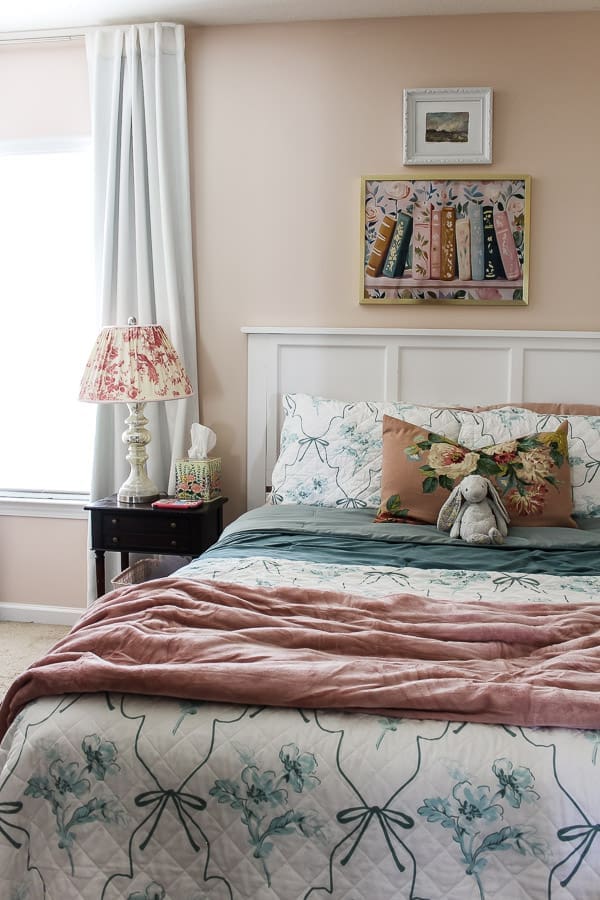
You can shop this whole room here.
With a few intentional choices, you can design a kids or tween room that feels age-appropriate now—but still works beautifully for years to come.
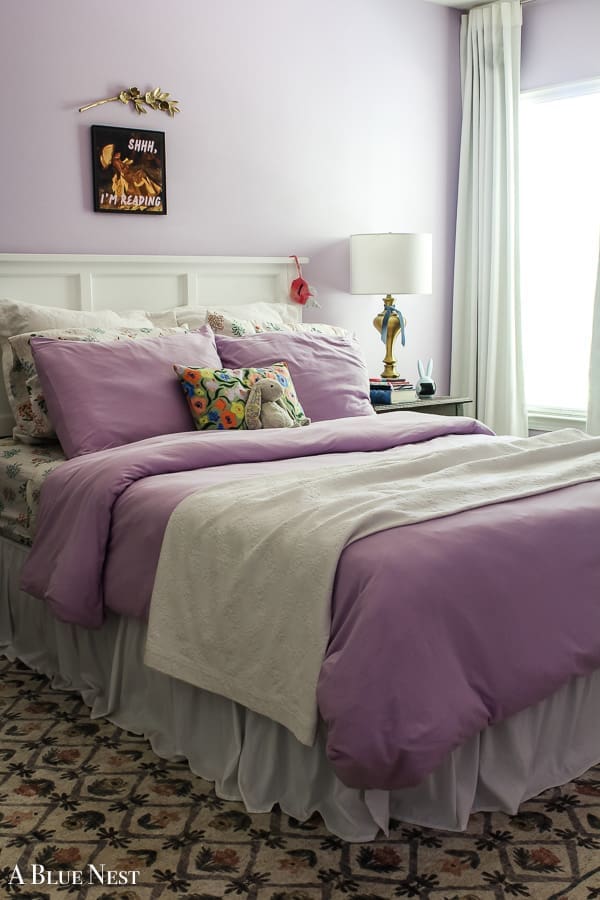
Our downfall in Ava’s first tween room update was committing too hard to a color. A saturated color. A muddier, muted lavender would have been much more neutral and versatile. However, we all have to learn paint color lessons on our own and this time, the lesson learner was my twelve year old.
Start With Timeless Foundation Pieces
The biggest mistake most people make? Going too theme-heavy too early. See above mistake.
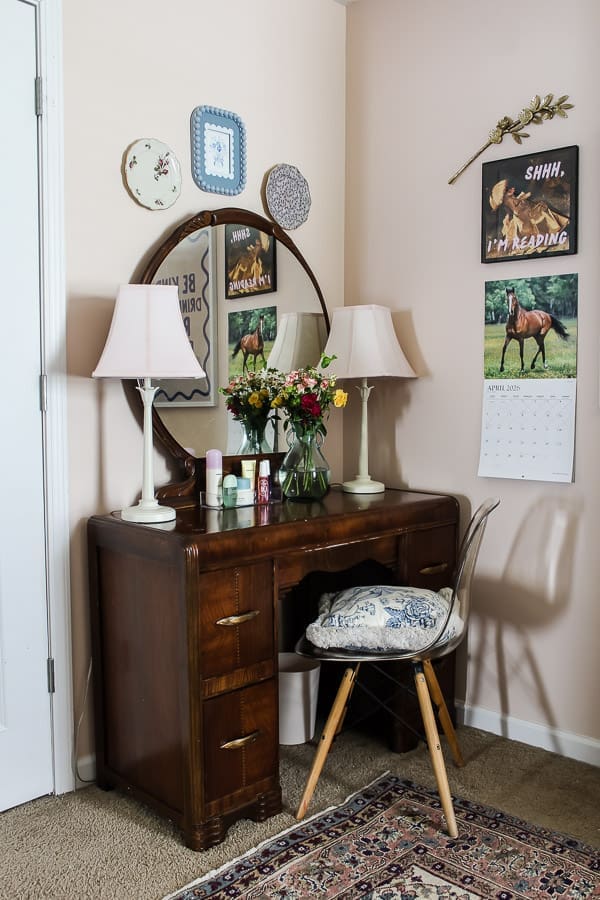
Instead, invest in the “big pieces” that will grow with your child:
- Bed frame
- Nightstands
- Dressers
- Lighting
Choose styles that lean classic rather than trendy. Think:
- Simple wood or upholstered beds
- Neutral painted furniture
- Brass or ceramic lamps
These pieces act as the backbone of the room and are often my most favorite things to find secondhand. When everything else changes (and it will), they stay relevant.
👉 In our room makeover, we kept the classic white bed and traditional nightstand, which instantly made the space feel more mature without replacing everything.
Keep Main Bedding Neutral
Bedding is one of the easiest places to overspend—and the quickest to feel outdated.
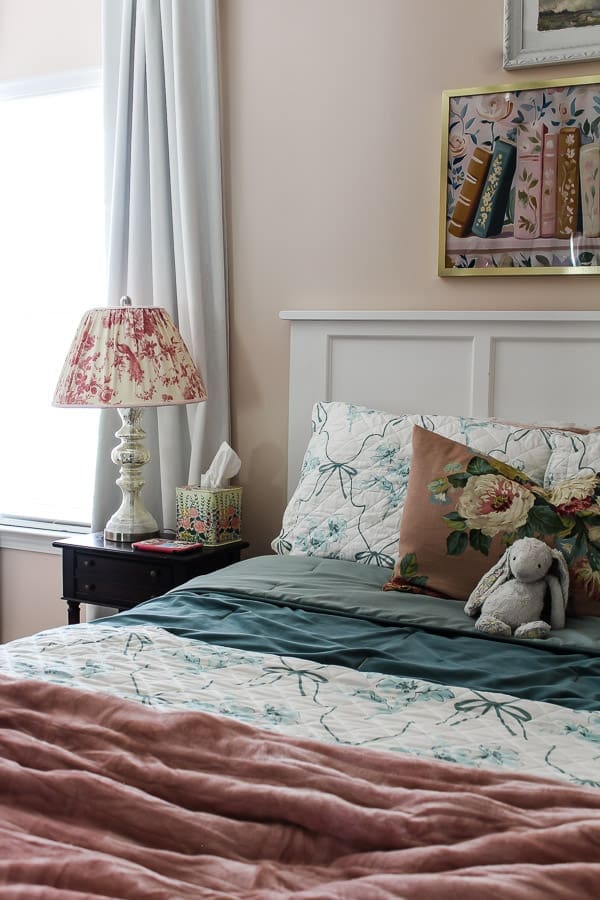
Instead of committing to bold or character-driven comforters, choose:
- Solid or classic print duvets (gingham, striped, plaid, cottage floral)
- Simple quilts or coverlets
- Classic textures (matelassé, cotton, linen)
Solid and classic don’t have to mean white or boring either! Go for a color or print, just try to keep it from being too theme specific. This creates a clean base that works at any age.
👉 In the “after” space, the more neutral bedding allows the room to feel calm and elevated, even as other elements bring in personality.
Layer in Personality With Easily Changeable Pieces
This is where the magic happens—and where you should have the most fun.
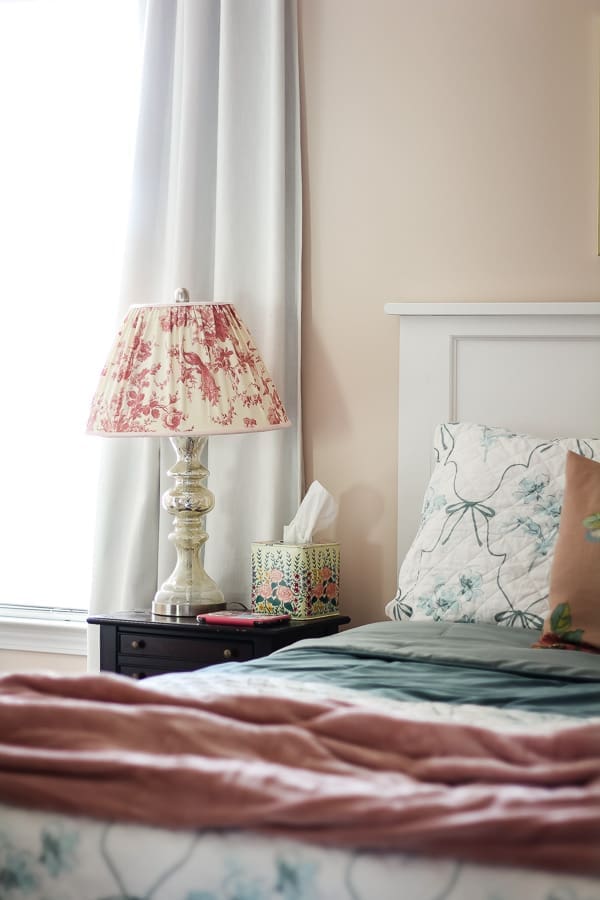
Use these elements to reflect your child’s current interests:
- Sheets and pillowcases
- Throw pillows
- Blankets
- Artwork
- Decorative accessories
These items are:
- Affordable to swap out
- Easy to update seasonally
- Perfect for evolving tastes
👉 Notice how the updated room uses floral pillows, soft color tones, and playful accents to create personality—without committing to anything permanent.
Use Wall Color Strategically
Paint is powerful—but it doesn’t have to lock you into a “kid” look.
Instead of bright primary colors, consider:
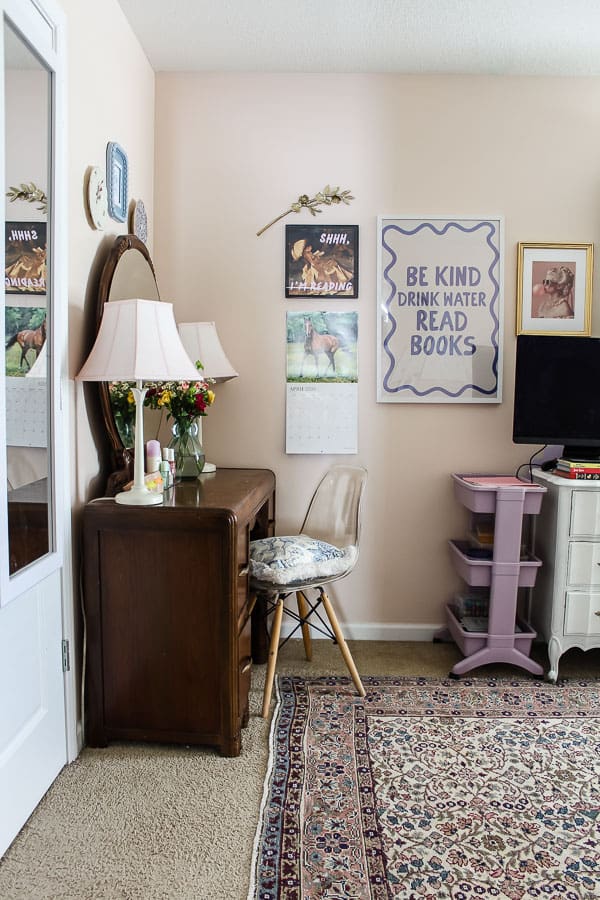
- Soft blush tones (I used Wing It by Clare Paint in Ava’s updated space.)
- Muted or muddier versions of blue, green, yellow or purple
- Warm neutrals
These shades feel youthful without being juvenile.
👉 The updated wall color creates a soft, sophisticated backdrop that will still feel appropriate years from now.
Incorporate Meaningful, Personal Touches
A room should feel like theirs—not just styled. Let them pick out things they love to add to their space.
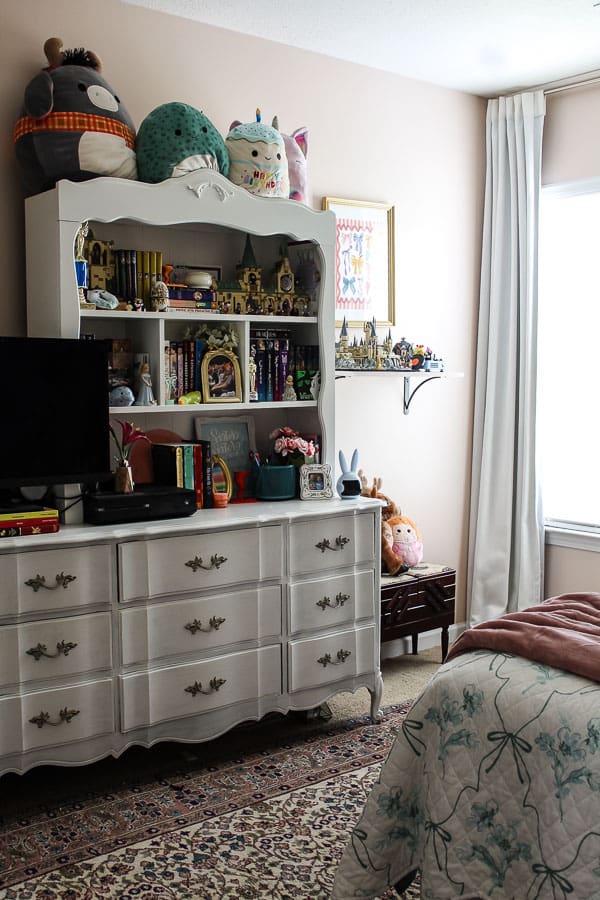
Add:
- Favorite books
- Beloved stuffed animals
- Handmade or collected items
- Framed photos
- Pieces that reflect hobbies or interests
These small details bring warmth and authenticity to the space.
Think “Layers,” Not “Theme”
Instead of designing around a single theme, build the room in layers:
- Neutral base (furniture + bedding)
- Versatile color palette (walls + textiles)
- Personality layers (accessories + art)
This approach makes it easy to update the room without starting over.
Before and After: A Room That Grows Up Gracefully
In the before, the room leaned more youthful with brighter tones that locked us into a very specific (and overwhelming) color palette.
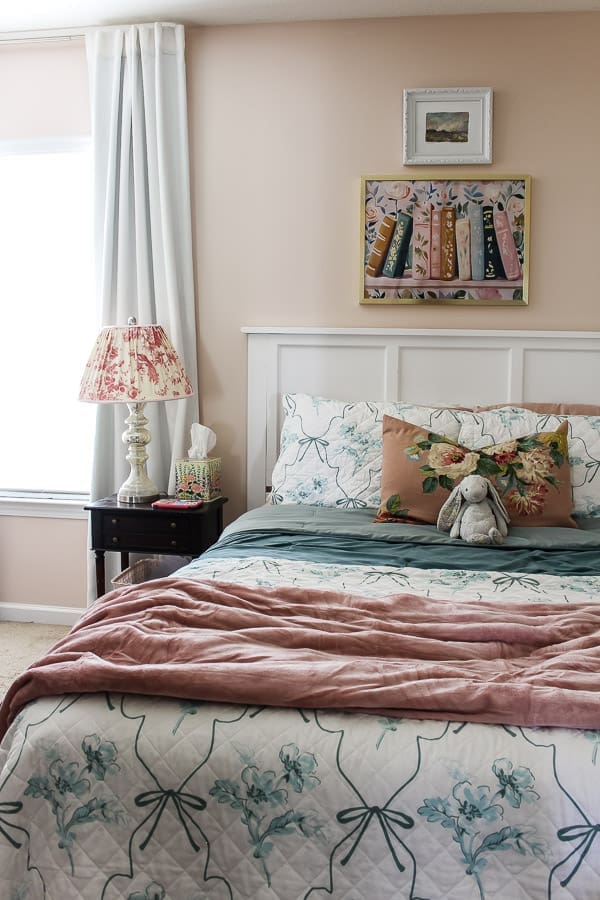
In the after, we didn’t overhaul everything—we simply:
- Softened the color palette to something more versatile
- Updated textiles
- Added a few vintage “workhorse” pieces to make the space be more functional for a tween
The result is a space that still feels cozy and inviting, but much more mature and flexible for the years ahead.
Final Thoughts
Creating a kids or tween bedroom that grows with them isn’t about removing personality—it’s about placing it in the right places.
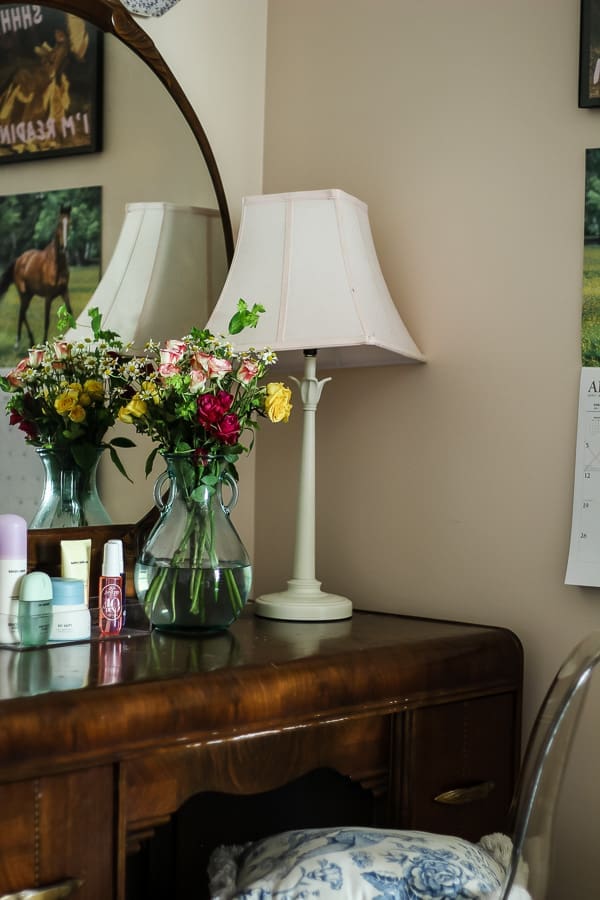
When you:
- Invest in timeless furniture or vintage pieces
- Keep foundational elements neutral
- Use accessories to tell their story
You create a room that can evolve just as beautifully as they do.
I’ve used this formula in many kids’ spaces and it is always a win. If you would like some help with your own kid’s room, you can find the relevant information and then reach out here.
template design by DESIGN METHOD